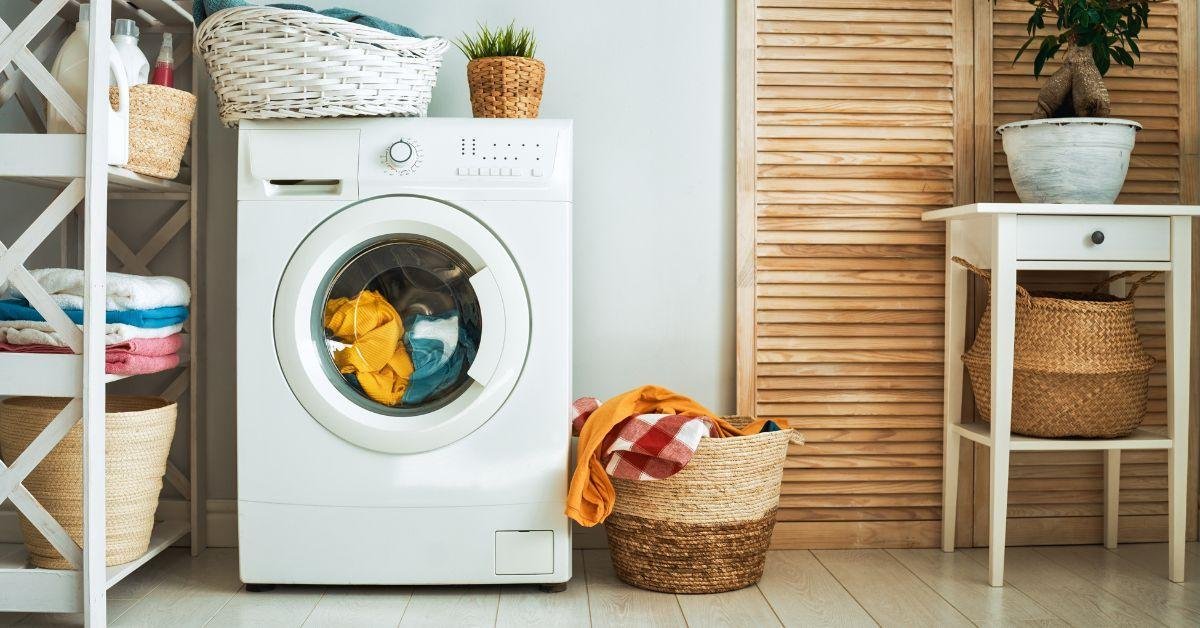
When you deal with a washer not draining Norman OK homes can feel a bit upside down. A washer full of water is a problem no one wants, especially when you just need clean clothes fast. The good news is that most drain problems come from simple issues you can check before calling a repair tech.
Many Norman homes see draining trouble during colder months, busy laundry weeks, or after washing heavy loads like blankets and jeans. This guide explains why washers stop draining, how to fix each cause, and how much repairs usually cost in Norman. By the end, you will know what to try, what to avoid, and when it is time to get help.
Why Washers Stop Draining in the First Place
Washers drain using a small pump, a drain hose, and a sensor that tells the machine when to move water out. When any part of this system gets blocked, stuck, or confused, the washer keeps the water inside. This can look scary, but the cause is often simple.
Most draining problems come from clogs, weak pumps, twisted hoses, or sensor issues. Sometimes a stray sock sneaks into a place it does not belong. Other times, winter temperatures slow water flow, which creates even more draining trouble.
Signs Your Washer Has a Drain Problem
A washer rarely hides a drain problem. It usually gives clear signs like:
- Water left in the drum
- Clothes still dripping wet
- Washer stuck on “Drain” or “Spin”
- Loud humming from the bottom of the washer
- Slow draining during the cycle
- Error codes on the screen
- A damp smell from standing water
If you spot any of these, your washer needs help before the problem gets worse.
This guide covers the most common washer problems and simple ways to fix them. However, if your washer still won’t drain or the issue keeps coming back, our same-day local technicians are ready to help.
👉 Get Quote Today and schedule fast washer repair in Norman today.
Common Causes of a Washer Not Draining
Below are the most common reasons washers in Norman stop draining. Each one has a simple explanation and an easy test you can try at home.
1. Clogged Drain Filter
Almost all washers have a drain filter that catches lint, coins, hair ties, buttons, and other tiny items. When this filter fills up, water cannot pass through. Many homeowners forget this filter exists until the washer stops draining.
Some washers hide the filter behind a small door near the bottom. Others place it inside the drum under a twist cap. When clogged, the washer may buzz loudly as it tries to push water through.
How to fix it:
- Turn off the washer.
- Place a towel under the filter.
- Twist the cap and pull out the filter.
- Rinse it with warm water.
- Put it back and test the washer.
Cleaning the filter once a month keeps this problem away.
2. Blocked Drain Hose
The drain hose moves water from the washer to the home drain. If the hose bends, kinks, or clogs, water stays inside the washer. This is very common when the washer is pushed too close to the wall.
Lint, soap buildup, and small objects can also block the hose. In winter, cold weather can make the hose stiff, which makes kinks more likely.
How to fix it:
- Pull the washer forward gently.
- Look for sharp bends in the hose.
- Straighten the hose until it looks smooth.
- Remove the hose and rinse it if needed.
If the hose feels old or cracked, replacing it is cheap and easy.
3. Faulty Drain Pump
The drain pump pushes water out of the washer. If the pump motor gets weak or the pump blades break, water will not drain. You may hear a buzzing sound or see the washer try to drain for several minutes before stopping.
Pump failure becomes more common in older washers or in homes with heavy laundry loads.
How to spot this:
- Washer hums but does not drain
- Water drains slowly even after cleaning the filter
- Burning smell from the bottom
- Error codes on digital models
Pump replacement is one of the most common washer repairs.
4. Frozen or Slow Drain Line (Winter Issue)
Norman winters can be rough on drain lines. When temperatures drop, water in the drain pipe can slow down or freeze in older homes. This makes the washer back up because water has nowhere to go.
Even if the pipe does not freeze solid, slow flow can confuse the washer’s sensors and stop the cycle early.
How to fix it:
- Let warm air reach the drain area.
- Use warm towels on the pipe if safe.
- Run a hot wash cycle to warm the hose.
If freezing happens often, a plumber may need to insulate the drain.
5. Sensor or Switch Problems
Washers use sensors to check water levels. If the sensor cannot tell how much water is in the drum, it will not start the drain cycle. Sensors can get dirty from soap, hard water, or lint.
Sometimes the switch sticks from wear and tear. Newer washers may flash a code when this happens.
Fixing this:
- Clean inside the drum
- Unplug the washer for one minute to reset
- Make sure the washer is level
- Avoid overloading
A technician can replace the sensor if needed.
6. Broken Belt (Top-Load Washers)
Some top-load washers use a belt to spin and drain. When the belt breaks or slips, the washer cannot remove water. You may hear the motor running but nothing moving.
Belts often fail after many years of use or when the washer is overloaded.
Fix:
- Listen for the drum spinning
- If the drum does not move, the belt may be loose
- A new belt is a simple repair
7. Too Much Soap or Thick Detergent
Using too much detergent can create thick foam that blocks water flow. Heavy soap buildup sticks to hoses and filters. Winter water temperatures can make the buildup worse.
This makes draining slow and sometimes stops the cycle.
How to fix this:
- Use less detergent
- Run a tub-clean cycle
- Use warm water for heavy loads
8. Overloading the Washer
Large loads trap water inside clothes. When the washer tries to spin, the weight makes it harder to drain. The washer may stop early or show errors.
This happens often with blankets, sheets, jeans, and jackets.
Fix:
- Split heavy loads into two smaller ones
- Leave room at the top of the drum
This simple step prevents many draining problems.
If your dryer is also cuasing issues, check out our guide, or you can simply contact us for your dryer repair service.
How Norman OK Weather Makes Draining Problems Worse
Norman has a mix of cold nights, sudden drops in temperature, and strong winds. These weather swings affect washers more than people think.
Winter weather creates:
- Slower water flow
- Stiff or bent drain hoses
- Frozen drain pipes in older homes
- More use of thick winter clothing
- Extra laundry from holidays, guests, and storms
Homes near Brookhaven, Hall Park, Sutton Woods, and Southridge often see more pipe temperature swings because of wider open areas. Homes with laundry rooms near garages or porches also face more winter drain issues.
Step-by-Step Fixes for a Washer Not Draining
Try these steps in order. Many issues can be solved with basic checks.
Step 1: Remove Water Safely
Removing the water first makes the rest of the steps easier and much safer. A washer full of water is heavy, and trying to move it without draining can cause spills or even small floods. Taking a few minutes to clear the drum helps you see what is going on and prevents damage to your floor.
Use these steps:
- Turn the washer off and unplug it.
- Scoop water out with a small cup or bowl.
- Place towels around the base to catch drips.
- Lift clothes out one at a time.
- Tilt the drum slightly to push water toward the front.
Once the majority of water is gone, the washer becomes lighter, cleaner, and easier to work on. You will also avoid slipping hazards or water spreading into nearby rooms. This simple start makes every other step smoother.
Step 2: Clean the Drain Filter
A clogged drain filter is the most common cause of a washer that will not drain. This filter catches lint, coins, buttons, and small objects. When it fills up, water cannot move out, and the washer stops mid-cycle. Cleaning the filter is quick and often solves the issue right away.
Follow these steps:
- Find the filter door near the bottom of the washer.
- Place a towel underneath to catch water.
- Turn the filter cap slowly.
- Pull out the filter and remove debris.
- Rinse the filter under warm water.
Once clean, place the filter back in and tighten it. A clear filter helps water flow smoothly. Many people are surprised by what they find inside, which is why cleaning this part monthly can prevent future drain issues.
Step 3: Check the Drain Hose
The drain hose moves water from the washer into the home’s plumbing. If the hose bends, kinks, or fills with lint, water cannot flow. This is especially common when the washer is pushed too close to the wall. A blocked hose makes the washer struggle, and it may sound like it is working hard without draining.
Try this simple check:
- Pull the washer forward a few inches.
- Look for sharp bends in the hose.
- Straighten the hose until smooth.
- Disconnect the hose if needed.
- Rinse it out in a sink or tub.
A clean and straight hose allows water to move freely. If the hose feels stiff or cracked, replacing it is an inexpensive fix that often brings instant results.
Step 4: Run a Rinse and Spin Cycle
After cleaning the filter and checking the hose, running a rinse and spin cycle helps clear leftover debris. This step also tests whether the washer can now drain on its own. Many small blockages get washed away during this cycle, giving you a quick way to confirm progress.
Use this method:
- Close the washer door.
- Select “Rinse and Spin.”
- Listen for normal draining sounds.
- Watch the water level.
- Check if the drum spins freely.
If the washer drains during this cycle, the problem was minor and is now fixed. If not, the issue may be deeper inside the pump or sensors. This simple test helps you know what direction to go next.
Step 5: Reset the Washer
Sometimes the washer does not drain because the control board gets confused. A simple reset can clear this error and allow the washer to run normally. Many homeowners skip this step, but it solves a surprising number of problems, especially with newer digital models.
Reset the washer by doing this:
- Turn the washer off.
- Unplug it from the outlet.
- Wait for one full minute.
- Plug the washer back in.
- Start a quick cycle to test.
Resetting clears error codes and helps sensors read water levels correctly again. If the washer begins draining normally after the reset, the issue was more about the control board than a physical blockage.
Step 6: Test the Pump
The drain pump is the part that pushes water out of the washer. If the pump breaks, clogs, or weakens, the washer will not drain no matter what you clean. Listening to the pump helps you understand what is happening inside the machine.
Check the pump like this:
- Start a drain or spin cycle.
- Listen for a steady humming sound.
- If it hums loudly, the pump may be blocked.
- If it stays silent, the pump may be dead.
- Check for leaks or burning smells.
A pump that hums without moving water often has debris stuck inside. A pump that stays quiet may need replacement. Either way, this step helps you know whether simple cleaning will solve the issue or if a repair tech is needed.
Repair Costs for Washer Drain Problems in Norman OK
Repair costs vary by cause. Here are average prices seen in Norman:
| Problem | Typical Cost |
|---|---|
| Cleaning drain filter | Free |
| Drain hose replacement | $20–$60 |
| Pump unclogging | $75–$150 |
| Pump replacement | $150–$350 |
| Sensor replacement | $120–$220 |
| Belt replacement | $80–$160 |
| Frozen line repair | $90–$200 |
| Full diagnostic visit | $60–$120 |
Prices may shift a bit during winter when drain problems happen more often.
When You Should Call a Technician
Call a pro if:
- The washer still has standing water
- The pump makes loud grinding sounds
- The hose keeps clogging
- The washer stops mid-cycle
- You smell burning
- Water leaks onto the floor
Getting help early prevents damage to the pump, motor, and control board.
Preventing Washer Drain Problems All Year
Here are simple habits that keep your washer healthy:
✔ Clean the drain filter every month
✔ Use less detergent
✔ Keep loads small
✔ Straighten the drain hose
✔ Keep the washer level
✔ Run a tub-clean cycle monthly
✔ Avoid washing coins or tiny items by accident
✔ Keep laundry rooms warm during winter
Doing these steps keeps your washer running well and reduces repair needs.
FAQs: Questions From Norman Homeowners
Why does my washer stop draining in winter?
Cold weather can slow water flow, freeze pipes, and stiffen hoses.
How do I know if my drain pump is bad?
You may hear a humming sound, or the washer may try to drain but stop quickly.
Can too much soap stop a washer from draining?
Yes. Thick soap foam blocks water flow.
Is it safe to force the washer to drain?
Do not use sharp tools. Remove water by hand and check the filter first.
Why does my washer smell after not draining?
Standing water causes odors. Cleaning the filter and drum fixes this.
Do I need a new washer if it won’t drain?
Most drain problems are simple repairs. A new washer is rarely needed.
Final Thoughts
A washer not draining Norman OK homes is a common issue, especially during the colder months. Most problems come from clogs, bent hoses, or weak pumps. With simple checks like cleaning the filter and straightening the hose, many washers can be fixed without much effort.
When draining problems keep coming back, a technician can inspect the pump, sensor, or drain line. Fixing the problem early protects your washer and keeps your laundry routine running smoothly.