Winter in Norman can be cold, windy, and a little wild at times. While most people think about keeping warm or protecting pipes, many forget that their dishwashers also struggle when the temperature drops. If you have been dealing with dishwasher problems in winter, you are not alone. Cold weather affects how water flows, heats, and drains, and this can lead to several annoying issues.
You might notice longer wash cycles, cloudy dishes, or strange new sounds. These issues feel random, but they happen for clear reasons. In this guide, we will walk through the most common dishwasher problems that winter brings, why they happen, and what you can do to fix them before they get worse.
Why Dishwashers Act Up When It’s Cold
Dishwashers need steady water temperature, strong water pressure, and warm air to run well. Winter changes all of this. When the weather drops in Norman, the water coming into your home takes longer to heat. This makes the dishwasher work harder, run longer, and sometimes shut down early.
Cold temperatures also affect pipes, hoses, and seals. Since dishwashers rely on warm water and steady flow, even a small temperature drop can lead to big problems. Luckily, most winter issues have simple causes and simple solutions.
The Most Common Dishwasher Problems in Winter
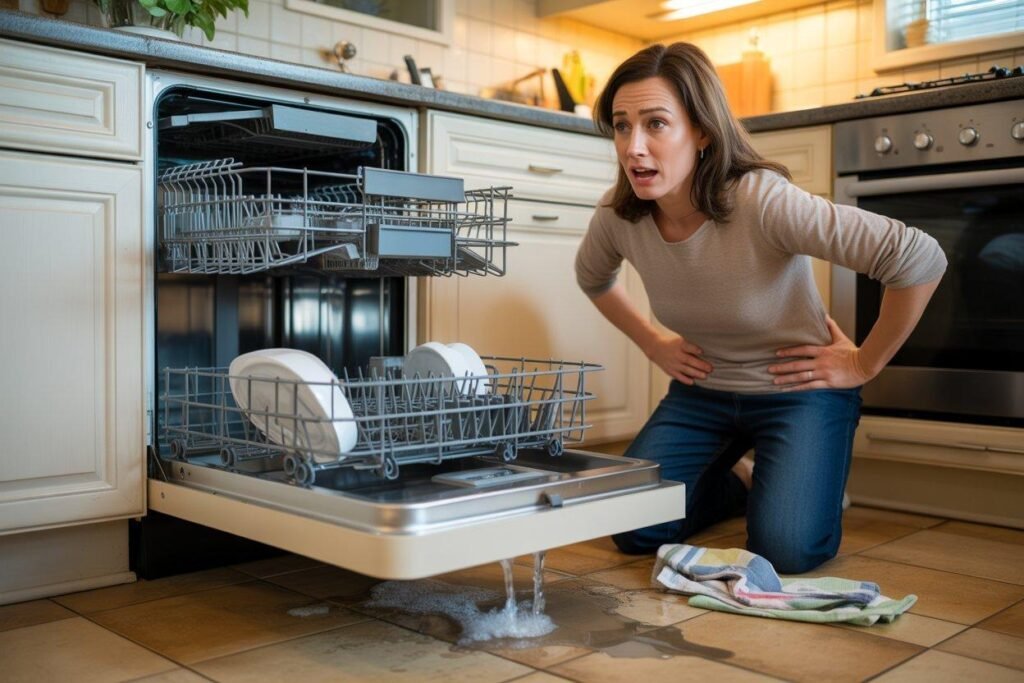
Below are the issues Norman homes see the most once winter hits. If you have noticed one or two of these, your dishwasher may be reacting to the cold air, cold water, or changes in your home’s usage.
1. Dishes Come Out Cloudy or Still Dirty
Cold water slows down how the dishwasher dissolves soap. Powder detergents need warm water to break down, and winter water temperatures get too low for that to happen quickly. When soap does not melt right, dishes stay cloudy.
Another reason is that winter brings in more grease-heavy meals. Warm comfort foods mean more dishes with sticky residue. Cold water struggles with heavy food buildup.
What helps:
- Run the hot water at the sink for 20–30 seconds before starting the dishwasher.
- Use a high-quality liquid detergent that dissolves faster.
- Pick a “Heavy” or “High Temp” wash cycle on cold days.
2. Dishwasher Takes Much Longer Than Normal
In winter, the incoming water is colder. The dishwasher’s heating element must work harder to bring the water to the right temperature. This adds extra minutes—or sometimes even an extra hour—to the cycle.
When water stays too cold for too long, the dishwasher may also pause or stop for safety reasons.
What helps:
- Make sure your home’s water heater is set between 120–125°F.
- Avoid running the shower, washer, and dishwasher at the same time.
- Choose a “Sanitize” or “High Temp” cycle only when needed.
3. Low Water Pressure or Slow Filling
Cold weather changes how water flows through pipes. Pressure can drop when outside temperatures swing up and down. If your dishwasher does not fill with enough water within a set time, it may stop and flash an error code.
This is one of the top dishwasher problems in winter for homes with older plumbing.
What helps:
- Check for frozen or partly frozen pipes to the kitchen area.
- Make sure valves under the sink are fully open.
- Clean the dishwasher’s inlet valve screen.
4. Water Left in the Bottom After a Wash Cycle
Winter increases drainage issues. Cold weather thickens grease from food scraps, which sticks to drain hoses. When the hose slows down, water pools at the bottom of the dishwasher.
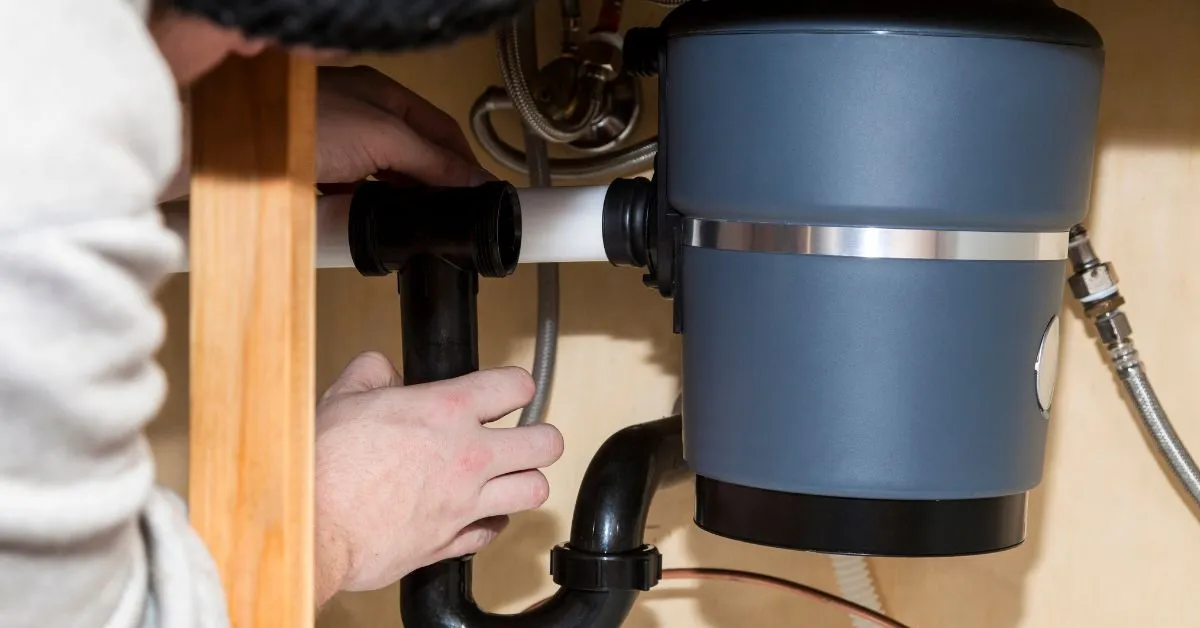
Another cause is the garbage disposal. When people cook more in winter, disposals clog faster. A clogged disposal blocks dishwasher drain flow.
What helps:
- Run the disposal for 20 seconds before the dishwasher drains.
- Pour warm (not boiling) water into the dishwasher filter area.
- Clean the drain filter weekly during colder months.
5. The Dishwasher Smells Strange After a Wash
Because winter makes drying harder, water sits longer in tight spaces. Moist air creates more odor-causing bacteria. If dishes stay damp for hours, smells build up fast.
What helps:
- Keep the door cracked open for 30 minutes after each cycle.
- Use the “Heated Dry” or “Extended Dry” cycle.
- Wipe the inside door seal with a warm, soapy cloth once a week.
6. The Dishwasher Is Extra Loud in Cold Weather
When plastic and metal parts get cold, they contract. As the dishwasher runs, the parts warm up and expand. This creates popping, clicking, or humming sounds.
Most of these sounds are normal, but large changes in noise can signal a pump issue made worse by cold temperatures.
What helps:
- Let the unit warm up by running a short rinse cycle first.
- Make sure the dishwasher is level on all sides.
- Clean the spray arms to remove trapped debris.
7. Water Supply Lines Freeze in Very Cold Homes
Homes with dishwashers installed against exterior walls see this problem more. When temperatures fall fast, the thin supply line can freeze. This stops the dishwasher from filling and may even cause leaks once the ice melts.
What helps:
- Open the cabinet doors beneath the sink to let warm air reach pipes.
- Use foam pipe covers for supply lines near exterior walls.
- Run the dishwasher during the warmest part of the day.
8. The Dishwasher Doesn’t Dry Dishes Well in Winter
Drying depends on warm air. When your home is colder inside, the drying process slows down. Winter humidity can also leave droplets behind. Windows fog up in winter, and dishes fog up for the same reason.
What helps:
- Use “Heated Dry.”
- Add a rinse aid if you are not already using one.
- Keep the door open slightly after the cycle.
9. Soap Pods Don’t Dissolve Fully in Cold Water
Soap pods are convenient, but winter water is often too cold to melt them fast enough. You may find half-melted pods stuck in the dispenser.
What helps:
- Use warm water at the sink first.
- Switch to a liquid detergent during colder months.
- Check that the dispenser door is not blocked by tall dishes.
10. Thermostat and Sensor Errors Increase in Winter
Dishwashers rely on sensors to check water temperature and water level. When cold air makes readings inaccurate, the system may produce false errors.
What helps:
- Reset the dishwasher by unplugging it for 1 minute.
- Clean internal filters and screens.
- Avoid running the unit when your kitchen is very cold.
How Norman Weather Makes These Issues Worse
Winter in Norman brings a mix of freezing nights, windy days, and sudden drops in temperature. Older homes or homes with kitchen plumbing near outside walls are more likely to notice appliance issues.
Here is how local winter weather affects dishwashers:
- Cold nights lower water temperature a lot.
- Wind chills make exterior-wall plumbing colder.
- Homes use more hot water in winter, lowering available heat.
- Holiday cooking leads to greasier dishes, which need stronger wash cycles.
The dishwasher works harder in winter, and small problems become big ones fast.
Steps to Reduce Winter Dishwasher Problems
These simple tips help prevent issues and keep the dishwasher running well all season:
✔ Run hot water before starting the unit
This warms the pipes and shortens the cycle time.
✔ Use liquid detergent
It melts better in cold water.
✔ Keep your home’s temperature steady
Big temperature swings affect water lines and sensors.
✔ Clean filters and spray arms weekly
Food builds up faster in winter.
✔ Add a rinse aid
It improves drying and reduces cloudiness.
✔ Make sure your water heater is not set too low
120–125°F is best for dishwashers.
When You Should Call a Local Technician
Sometimes winter causes damage that simple steps cannot fix. Call a technician if:
- Water keeps pooling at the bottom
- The dishwasher stops mid-cycle
- You smell burning or see smoke
- Pipes or hoses show frost or leaks
- The dishwasher will not start at all
- Loud noises begin suddenly
A professional can test pressure, temperature sensors, and electrical parts to prevent bigger problems later.
FAQs: Winter Dishwasher Questions From Norman Homeowners
Why does my dishwasher run forever in winter?
Cold water takes longer to heat. The dishwasher stays on longer to reach the right temperature.
Why do my dishes stay wet in winter?
Cool indoor air slows drying. Using rinse aid or Heated Dry helps a lot.
Can a dishwasher freeze?
Yes. Units installed against exterior walls may have frozen supply lines.
Why are dishes cloudy now but not in summer?
Low water temperature keeps detergent from melting fully.
Is cold weather bad for dishwashers?
Cold weather does not break dishwashers, but it makes weak parts fail faster.
Final Thoughts
Winter brings many small changes to how dishwashers work. You may deal with cloudy dishes, long cycles, loud noises, or leftover water in the bottom. Most of these issues happen because cold weather lowers water temperature, slows drainage, or affects parts inside the dishwasher. With a few simple steps, you can prevent many of these problems and keep your unit running well all season.
If winter problems keep coming back, your dishwasher may need a professional repair before the issue grows. Fixing a small winter problem now is always easier than dealing with a full breakdown later.